Share this post
Anywhere you live, winter likely brings inclement weather. Some areas are inundated with snow and ice, while others are soaked by rain. Even regions with milder winters occasionally face wild temperature swings or damaging snowstorms between December and March. What’s more, sometimes that inclement weather gets a head start in autumn.
So, before we turn another page on the calendar, it’s time to protect your most valuable assets that are vulnerable to winter’s worst.
Your Home
Buying a home is one of the biggest investments you’ll ever make. It’s in your best interest to maintain it properly to decrease the incidence of major repairs and improve the odds that it increases in value. This routine maintenance includes preparing your home when winter is coming.
Start on the outside by:
- Tidying up your yard to prevent weak tree branches from falling on the roof or into windows - Sealing exterior holes and cracks to keep out the cold and damage-causing pests
- Cleaning your gutters so they don’t get clogged and cause water damage
Inside, make sure the weatherstripping around your doors and windows is sound enough to avoid a cold draught, and insulate your pipes to keep them from bursting when temperatures drop below freezing. Also, replace your air filters and the batteries in your smoke and carbon monoxide detectors.
Your Classic Ride
For classic car owners, winterizing your vehicle not only protects its value, but it also ensures it will be roadworthy when you’re ready for your next road trip in a few months. Experts suggest tackling the job one area at a time as follows:
The Interior
Vacuum the seats and floors and wipe down the dashboard, gear shift and interior door panels. For leather seats and components, use a gentle leather cleaner. Once it’s dry, apply a leather conditioner to lock in moisture and prevent cracking. Finally, set the heater for recycled air.
Under the Hood
Since you won’t be using your classic car as much or at all over winter, the following preventative care will ensure that cold temperatures and inactivity don’t damage its engine:
- Fill the gas tank, add a fuel stabilizer and take a drive to blend them throughout the fuel system. - Either remove the battery for the season or hook it to a battery tender to keep a full charge. - Check your antifreeze and other fluids and top them off if they’re low.
- Change the oil and oil filters.
The Exterior
Get your vintage ride out of the elements over winter because snow, ice and road salt can all damage its finish. Likewise, harsh rainstorms or high winds can send damaging tree limbs or debris straight into its path.
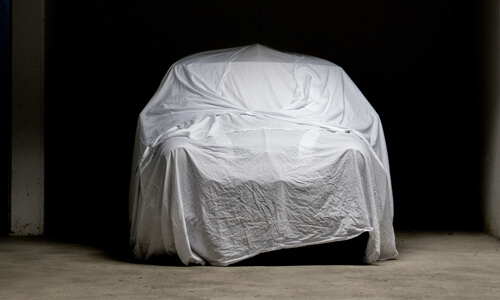
Whether you store it in your own classic car garage or rent out space at a classic car storage facility, wash and cover your special ride. This will prevent dust and inadvertent scratches. If bugs or other critters can get inside your garage or storage spot, seal all of the car’s external openings with steel wool. This includes the exhaust pipe and fresh air inlet.
The Undercarriage
At a minimum, park your classic car on top of a moisture barrier, such as a plastic tarp. This prevents floor moisture from causing mold or rust to the undercarriage. If there’s any chance of a flood where you’re storing your vehicle, use a car lift to get it off the ground.
Your Boat
Boats also need a thorough once-over before they’re stored for the season. This includes these tasks:
- Changing the oil and topping off the antifreeze - Removing the battery or connecting it to a boat-appropriate tickle charger - Storing loose cushions and components separately to avoid loss, theft or mold damage - Choosing an appropriate cover based on your storage method - Completing any other maintenance tasks recommended by the manufacturer, including the appropriate amount of gas to leave in the tank based on your storage method
- Washing the interior and exterior and removing any residue from saltwater use
Your boat is now ready for winter hibernation. If you’re a first-time boat owner, you have three primary off-season storage options to explore:
- In your driveway or on your property hitched to a trailer - At a marina or commercial facility that offers dry stacked storage
- Inside your garage
Your Second Home
If you own a vacation home, follow the same winterizing steps recommended for your primary residence. Plus, take these extra precautions, especially if no one is going to use or rent it out over the winter months:
- Defrost the refrigerator and leave the door open. - Talk to a local plumber to determine the best way to protect the water pipes based on area temperatures. - Take your valuables with you and lock all doors and windows. - Let the local police know the property will be vacant and give them your contact information. - Arrange for a local resident to periodically check your property.
- Clean the interior and exterior of the home and remove all perishable or unsealed food.
Proactively winterizing your prized assets may take a little time, but it ensures you’ll get to enjoy them for many years to come.
Editor’s note: Quorum derives no benefit from businesses for placement in this article.